
Payments Solutions for Small Businesses
HubSpark Payments: Streamlining Transactions and Enhancing Customer Experience
Comprehensive Payment Options
Seamless Communication and Transactions
Mobile-Friendly and Cardless Transactions
Retail Payment Systems: A Vital Component for Customer Satisfaction
To ensure business success, it’s crucial to implement the right retail payment system. This not only facilitates revenue collection but also enhances the overall customer experience, especially in a rapidly evolving digital landscape.
Understanding Retail Payment Systems
Get Paid Faster With Simple, Secure Payment Tools

Common Types of Retail Payment Systems
Crafting a seamless messaging strategy is vital for customer satisfaction. Here are three key elements to consider:
Advantages of a Well-Chosen Retail Payment System
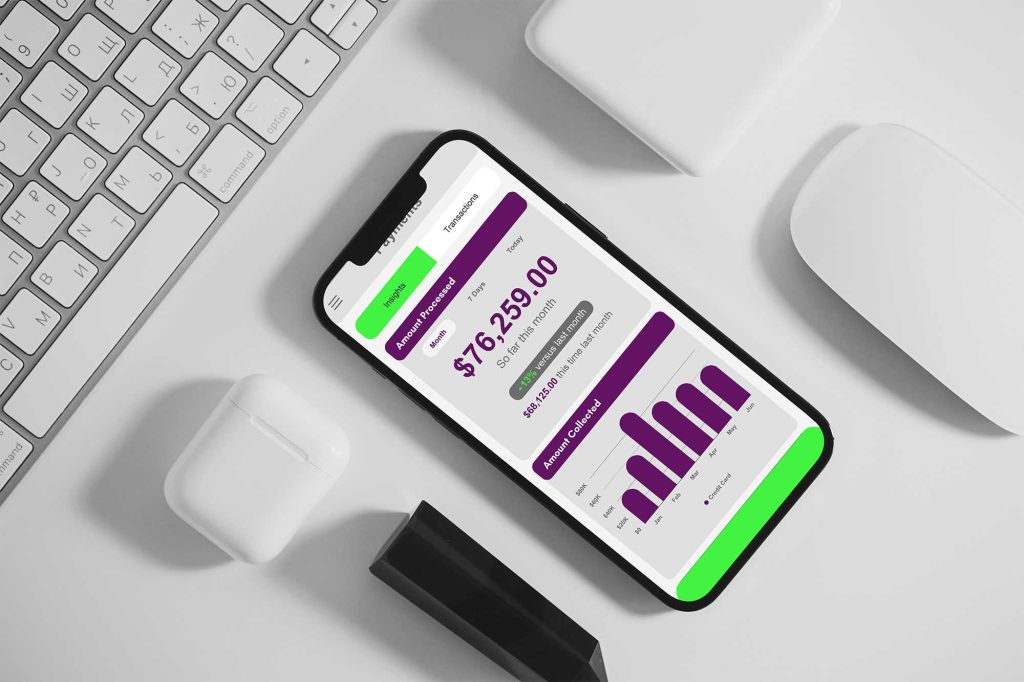
Selecting the right retail payment system positively impacts customer payments, business earnings, and fund reception speed. It ensures a convenient user experience, encourages timely payments, and contributes to overall business efficiency.
Utilizing Retail Payment Solutions
Unless opting for a cash-only strategy or developing a proprietary system, integrating an online payment service is beneficial. Third-party solutions, like HubSpark Payments, offer several advantages for businesses:
Time-Saving or Time-Saver
Transaction Oversight
Security
Competitive Edge
Enhance Shopping Experience with HubSpark Payments
HubSpark Payments is a versatile retail payment solution offering a standout customer experience. Utilizing text message payments, encourages prompt checkouts via SMS, improving customer satisfaction without imposing monthly fees. Businesses can integrate HubSpark Payments seamlessly into their strategies for efficient transactions.

Effortless Payments with HubSpark
Complete Payment Solution
Digital Payments
Card Readers
Automated Payments
Payment Processing
Payment Integrations
ACH vs. Credit Card: Choosing the Right Payment Method
Explore the pros and cons of ACH and credit cards to make informed decisions for your business. Learn why ACH might be superior and how HubSpark can efficiently process these transactions.
Understanding ACH Transactions
Understanding Credit Card Transactions
Pros and Cons of ACH Transactions Systems
Pros and Cons of Credit Card Transactions
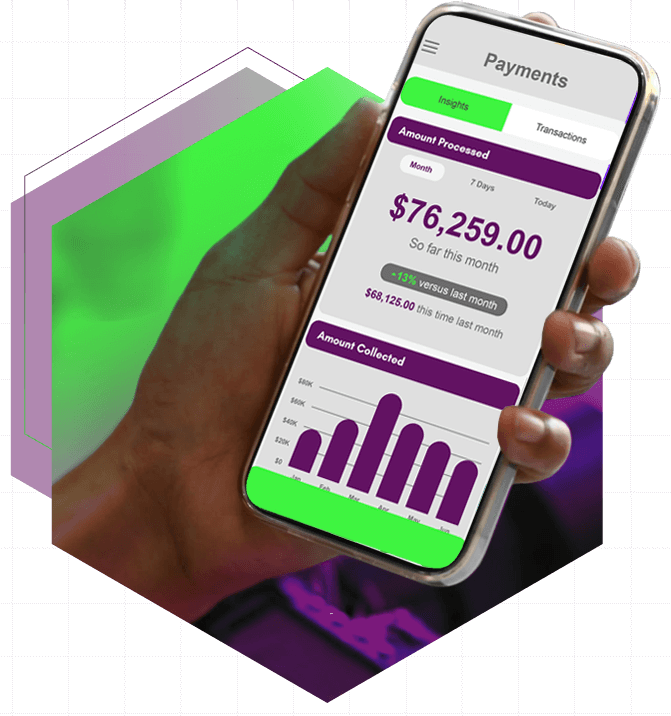
Understanding the advantages and disadvantages of ACH and credit card transactions is crucial for choosing the right payment method for your business. HubSpark can serve as a cost-effective tool for efficient payment management.
Comparing ACH and Credit Card Payments
Introduction
Understanding the advantages and differences between ACH (Automated Clearing House) and credit card payments is crucial for businesses seeking reliable and secure financial operations. This comparison explores the key features of each payment method, shedding light on their suitability for various business needs.
Benefits of ACH Transactions
ACH transactions offer distinct advantages, making them preferable for businesses looking for consistency, security, and efficiency in their financial operations.
Predictable Cash Flow
Recurring Payments
Enhanced Security and Fewer Disputes
Reduced Risk of Credit Card Fraud
HubSpark's Payment Processing Solution: HubSpark Payments
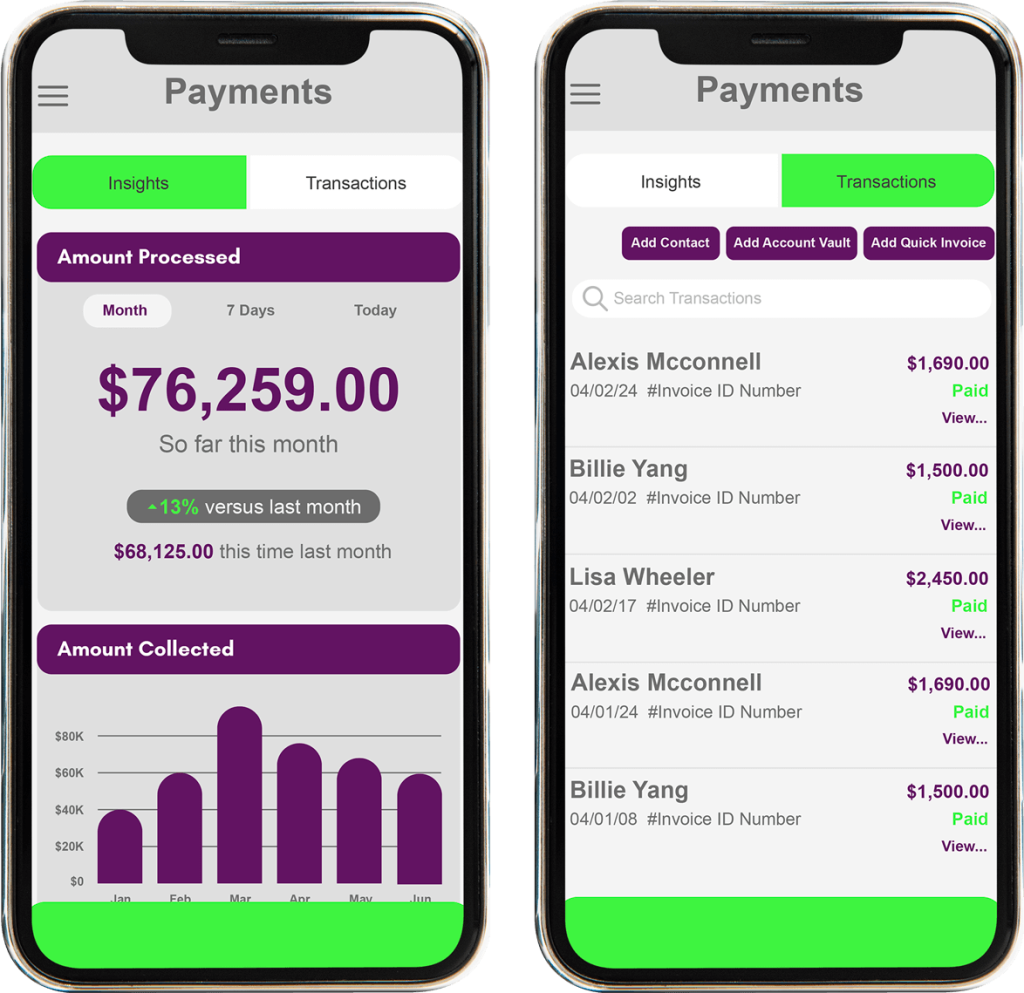
HubSpark’s payment processing solution, HubSpark Payments, offers a comprehensive approach to streamline payments for small and local businesses. Its unique features ensure effective payment processing, supporting financing options, subscriptions, Buy Now Pay Later, and estimates. The solution handles transactions securely, thanks to advanced fraud protection and automatic reconciliation.
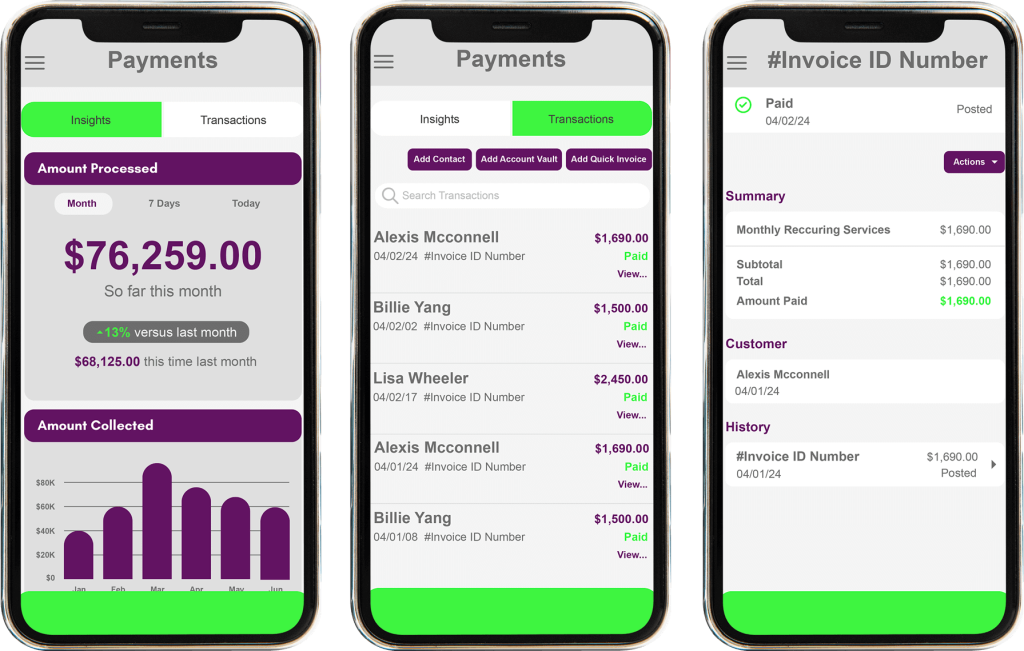
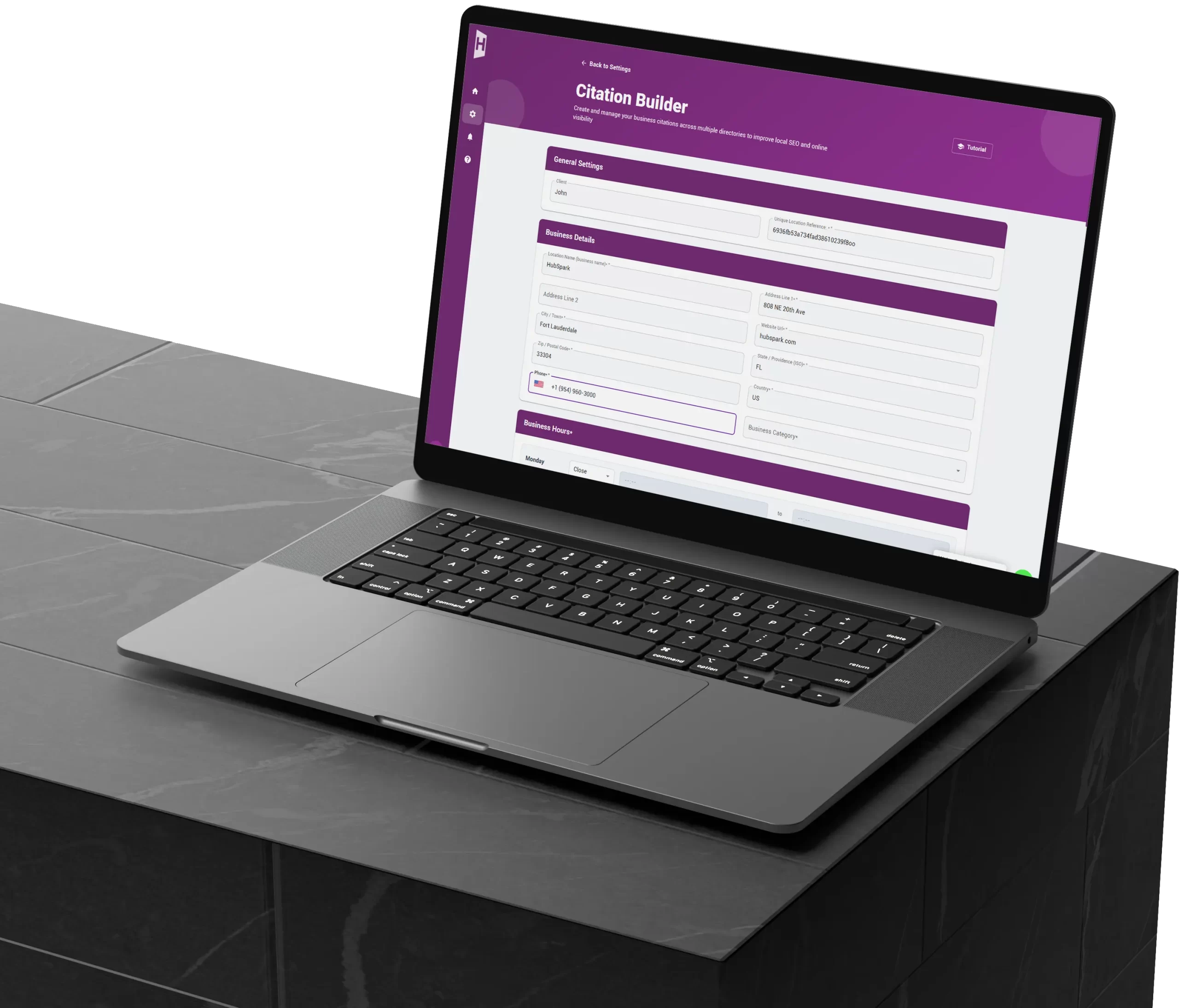
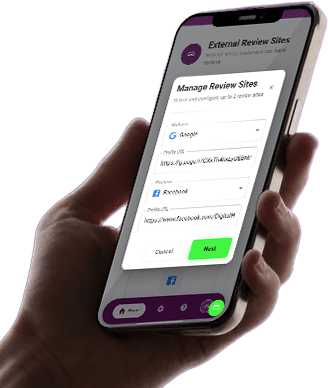
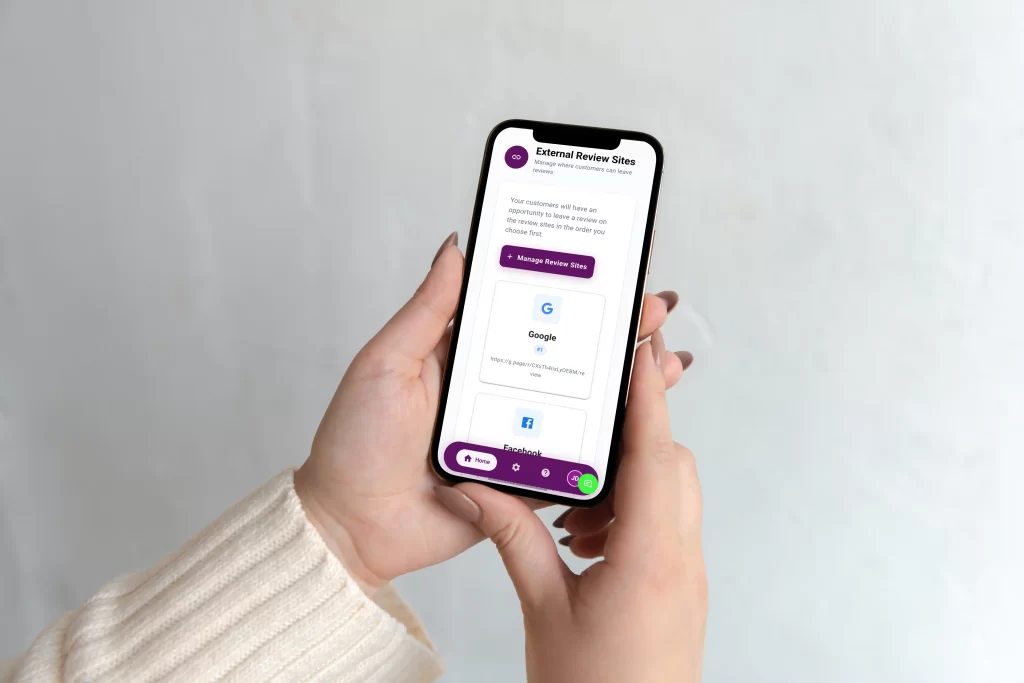
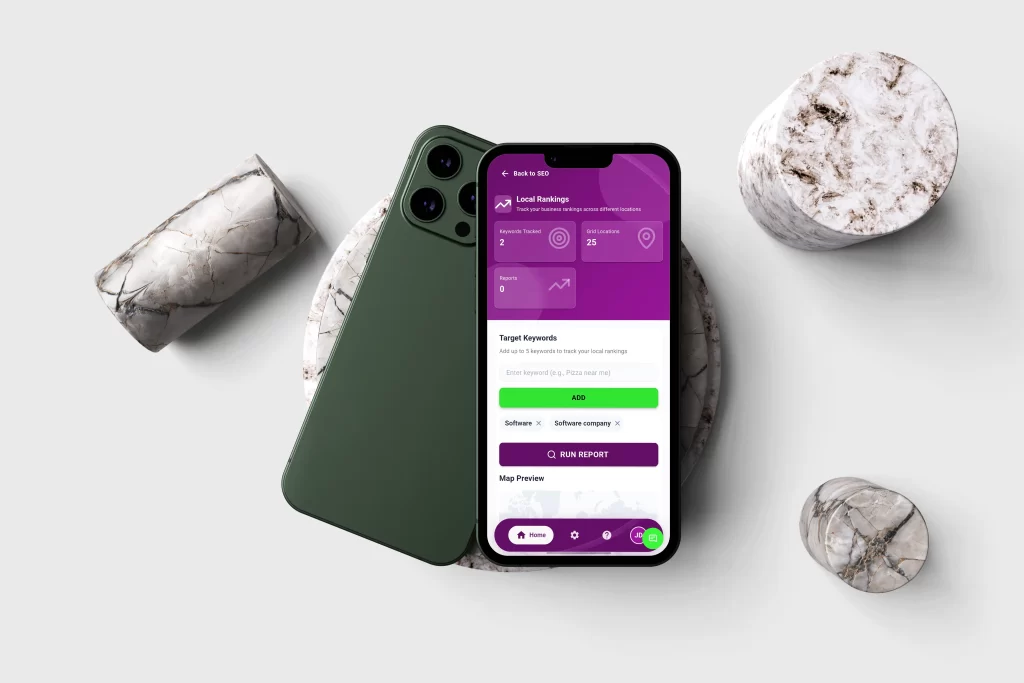
Additionally, HubSpark Payments enables businesses to transform their phones into card readers, providing customers with a fast and secure payment option. Beyond payment processing, HubSpark Payments offers a range of solutions to help businesses gather reviews, generate quality leads, and centralize customer data for better marketing and communication.
FAQs: ACH vs. Credit Card
ACH transactions involve directly transferring money between bank accounts, while credit card transactions involve borrowing funds from a financial institution.
An ACH transfer is an electronic transfer of funds from one bank account to another over an electronic network governed by the National Automated Clearing House Association (ACH network).
While both credit cards and ACH transactions face security risks, ACH payments are generally considered safer due to their lengthy authorization process and robust fraud detection measures implemented by banks.
Understanding ACH Payment Processing
Learn about the best ACH payment processing software for small businesses and how to choose the right one. ACH payment processing works through software applications, allowing businesses to accept and make payments using the Automated Clearing House (ACH) network.
What is an ACH Payment?
Choosing an ACH Payment Processing Company
Benefits of ACH Payment Processing
Excellent Security
Reduced Errors
Affordability
Recurring Billing Options
Convenience
ACH Payment Processing FAQs
Small businesses typically process ACH payments using a third-party ACH payment processor or ACH payment gateway, allowing direct business ACH payments on websites or apps.
Best practices include obtaining customer permission before debiting an account, verifying bank account information, and using a secure payment gateway. Additionally, monitoring ACH payments for unexpected errors is crucial.
Yes, most businesses, especially those accepting online payments, require both a payment gateway and a payment processor to ensure seamless and secure transactions.
Understanding Payment Gateway vs. Payment Processor
Discover the distinctions between a payment gateway and a payment processor, including when to use each and how to choose the right system for your business.
Payment Processor: What It Is and How It Works?
A payment processor executes transactions, ensuring customers have sufficient funds, providing security measures, and facilitating communication between the merchant, issuing bank, and acquiring bank. It enables businesses to accept card-based payments in various scenarios, including in-store, online, over the phone, or via mobile apps.
Navigating Payment Solutions for Business Success
Understanding the nuances of ACH and credit card payments, along with the role of payment gateways and processors, empowers businesses to make informed decisions for seamless, secure, and efficient financial operations. Assessing specific business needs and choosing the right combination of payment solutions ensures a robust foundation for transaction processing.
Optimizing Payment Options for Enhanced Customer Experience
Ensuring a seamless and convenient payment process is crucial for modern businesses. Discover how offering a range of convenient payment methods not only attracts and retains customers but also significantly improves your sales closing rates.
Some consumers abandon a transaction if their preferred payment method is not accepted. This emphasizes the impact of payment methods on customer decisions and overall sales.
Implementing Convenient Payment Options: A Step-by-Step Guider
The Power of Convenient Payments: Pros and Cons
Optimizing Your Payment System
If your existing payment system is outdated or lacks certain features, it’s crucial to evaluate and update it. Ensure your business can accept the payment methods your customers desire, providing a seamless and secure transaction experience.
Accepting Contactless Payments and Beyond
Embracing contactless payments, along with a variety of other convenient payment options, significantly contributes to customer satisfaction and increased sales. Whether through EPOS software or innovative solutions like HubSpark Payments, the key is to align with the preferences of the modern, tech-savvy consumer. Stay adaptable and provide a payment experience that reflects the evolving culture of convenience.
Understanding eChecks: A Secure Digital Payment Method
Explore the world of eChecks, a secure digital payment method gaining popularity among small and local businesses. Learn what eChecks are, how they work, and why integrating them into your payment options can enhance the customer journey and expedite payments.
An eCheck, or electronic check, is a digital payment method that enables small businesses to receive payments directly from customers. Functioning as an electronic variation of traditional paper checks, eChecks contain essential information such as bank account numbers, routing numbers, digital signatures, dates, and transaction amounts. This information facilitates secure transactions between the payer's and payee's bank accounts.
Although eChecks and ACH transfers are often used interchangeably, there are subtle differences. While both utilize the Automated Clearing House (ACH) network, eChecks represents a newer technology within this framework, handling payment information in a slightly different manner. It's essential to understand these nuances to determine the fees associated with each transaction type.
- Immediate fund verification
- Enhanced security through encryption and tokenization
- Reversibility, reducing the risk of fraud
- Cost-efficiency with lower processing fees compared to credit cards
- No strict transaction limits, allowing flexibility in purchase sizes
- Applicability for recurring payments, reducing payment disruptions
eChecks can be processed in two main ways: in-person and online. In-person processing involves customers writing a check at the store, which is then scanned to convert it into an eCheck. Online processing requires customers to input relevant banking information into a secure portal. The ACH network handles the transmission, verification, encryption, and processing of funds, ensuring a seamless and automatic transaction process.
Comparing eChecks to other payment methods emphasizes their advantages. Unlike paper checks, eChecks are more secure, environmentally friendly, and expedite payment processes. Compared to Electronic Funds Transfer (EFT) and wire transfers, eChecks offer cost savings, making them an attractive option for businesses looking to optimize their financial transactions.
As a business owner, integrating eChecks into your accepted payment methods can be a game-changer. Update your point-of-sale systems and online platforms to accommodate eCheck transactions. Train your staff to educate customers about the benefits of eChecks, fostering trust and encouraging adoption.
The Future of Digital Payments
eChecks represents a secure, efficient, and cost-effective solution for businesses aiming to stay ahead in the rapidly evolving landscape of digital payments. By integrating eChecks into your accepted payment methods, you not only cater to a broader customer base but also position your business as forward-thinking and customer-centric. Stay informed, adapt to changing trends, and embrace the future of digital payments with eChecks.
Frequently Asked Questions
HubSpark supports card payments, online payments, and digital wallet options. This flexibility makes it easier for customers to complete purchases using their preferred method.
Yes. Payments are processed using secure, compliant systems that protect customer data and reduce fraud risk, giving both businesses and customers peace of mind.